 Snowboarding
Parallel Giant Slalom Livigno: World Cup Stats, Schedule and Riders to Watch
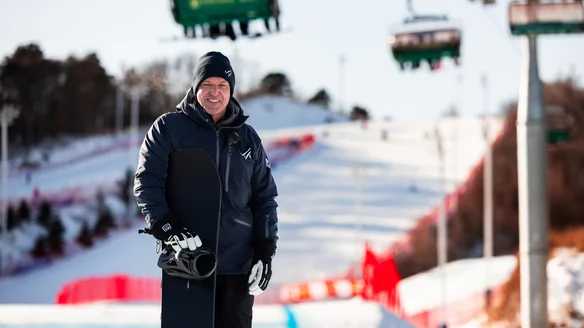
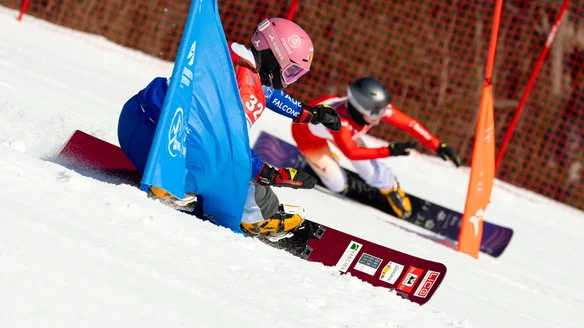
Livigno Snow Park to Stage Final Parallel Giant Slalom of 2025-26 World Cup on 10 March Livigno Snow Park will host the last parallel giant slalom of the Milano Cortina Snowboard World Cup cycle on 10 March, a race organisers bill as the most geographically balanced finale in 20 years. [IMAGE_PLACEHOLDER_0] Nine Countries Already Own Crystal Globe Hardware This Season Austria, Italy, Germany, Japan, the United States, Canada, Bulgaria, South Korea and China have all claimed podium places since November, up from six nations at the same point last winter. Race Director Uwe Beier told reporters in Rogla that every World Cup stop produced a fresh final-four lineup, a spread he credits to off-season sprint camps and modular plastic slopes that let riders rehearse gate tactics through summer. FIS data show 22 federations logged at least one top-ten finish, against 15 the previous season. Beier says the shift is structural: smaller teams now run autumn blocks on artificial surfaces, trimming travel bills and adding roughly 40 days of snow-free practice before the first natural snow. Lower Speed Keeps Veterans in Contention Parallel alpine’s twin-lane knockout caps speed at about 65 km/h, roughly 30 % slower than snowboard-cross packs. Medical logs list a 1.3 % injury rate across 312 World Cup starts this winter—half the figure recorded in speed disciplines. The controlled setting lets Claudia Riegler, 45, and Roland Fischnaller, 41, battle teenagers who were not yet born when the pair collected their first World Cup points. Course crews use identical gate spacing and pitch for both finals, a symmetry rare in ski racing where women’s tracks are often shortened. Depth is tight: women’s brackets average 48 entries this season, only four fewer than the men’s sheet. Thin Snow Base Still Delivers Broadcast-Ready Race A regulation parallel lane needs just 30 cm of packed base on a 180 m-wide ribbon, conditions most intermediate pistes achieve after a single storm. “We can shape 220 m by hand, drop the net, and still deliver 4K pictures,” Beier said. The modest footprint appeals to resorts facing shorter natural seasons; Chongli’s Secret Garden crew erected twelve fan guns last November and staged a World Cup three weeks later. New FIS rules approve reusable polymer fencing and LED lane markers, cutting freight weight by 28 % compared with 2018 rigs. Snowmaking quotas for parallel events are now 40 % lower than for downhill races of similar airtime. Teenagers Crash Title Race After Fast-Track Pipeline Junior-to-elite progression that once demanded eight seasons has shrunk to five, Beier’s internal tracking shows. Nineteen-year-old Tervel Zamfirov of Bulgaria jumped from 2023 Junior world champion to World Cup podium in December, while Japan’s Miki Tsubaki, 20, owns two victories this season after graduating from the Asian Cup. Uniform snow-quality standards and free live-streaming introduced for Continental Cups in 2024 let scouts benchmark juniors against common metrics, triggering earlier federation funding. “Continental-cup fields today are deeper than Europa-Cup ski racing was fifteen years ago,” Beier noted. [IMAGE_PLACEHOLDER_1] Livigno Crews Compress Six-Week Build Into 14 Days Municipal permits delayed construction until mid-January, forcing organisers to stockpile 80,000 cubic metres of machine-made snow in ten nights of cold-wave production. Final grading wrapped on Tuesday; surface injection begins Thursday with net installation scheduled for Saturday. Night-time lows are forecast to stay below –4 °C through race day, eliminating the spring-slush risk that plagued the 2023 finals in Grasgehren. [IMAGE_PLACEHOLDER_2] Olympic Start List May Match 18-Year-Olds With 40-Somethings Men’s draws could pit 39-year-old Austrian Benjámin Karl—winner in December—against 18-year-old Chinese wildcard Gao Dezhi, who swept the Youth Games in January. On the women’s side, Germany’s Ramona Hofmeister has not lost a heat since returning from a November wrist fracture, yet Italian eyes are on Lucia Dalmasso, whose victory at the national championships last month drew a live audience on RAI. “Seeding matters less here than in any other snowboard discipline,” Beier warned. “A rider drawn 17th can still carve a path to gold if they read lane transition correctly.” Action Steps Download the FIS Live app before 8 March to see qualification seeding released at 18:00 CET. Reserve shuttle seats on the Milano Cortina spectator bus; the Bormio–Livigno route fills quickly. Review the parallel-GS rule: athletes swap lanes after the first run; fastest aggregate time advances—knowledge that doubles viewing enjoyment. Coaches scouting talent can stream the Youth Cup finals from Passo Tonale (15-17 March) for tactical benchmarks used by national teams. Source: FIS Communications
 Snowboarding
Parallel Giant Slathlon Olympic Campaign: Snowboarders Push to Keep Event in 2026
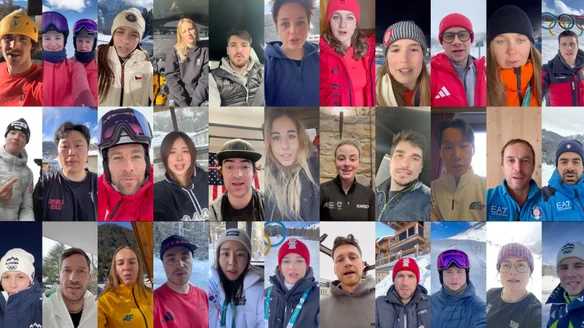
Snowboarders Demand Parallel Giant Slalom Stay on 2026 Olympic Program [IMAGE_PLACEHOLDER_0] Athletes Launch #keepPGSolympic Social Media Push The Instagram campaign began in December but accelerated after Czech star Ester Ledecká posted a 30-second training clip. “An amazing sport that deserves to stay on the biggest stage,” she told her 260,000 followers. Within ten days, more than 70 World Cup riders and junior clubs from twelve countries had added their own dawn or flood-lit footage. Italian veteran Roland Fischnaller, 42, included shots of his eight-year-old twins weaving between poles, while Bulgarian pioneer Radoslav Yankov featured the Sofia junior squad he mentors. CreatorIQ logged 1.1 million unique views by 24 February, a total organisers say climbs each time a federation reposts. Event Uses Less Snow and Power Than Alpine Races International Ski Federation race director Uwe Beier says the discipline’s small footprint should help Milano-Cortina hit new sustainability targets. A parallel lane needs only 35 m of vertical drop and “a hand-width of packed snow,” he told fis-ski.com, against the 80 cm base common on downhill pistes. Last season’s parallel World Cup in Austria used 18,000 kWh for snowmaking, while the adjoining downhill burned 125,000 kWh. Medical files add another edge: FIS data show 0.6 serious injuries per 1,000 parallel runs, roughly half the snowboard-cross rate. 0.003-Second Finish Fuels Broadcast Buzz Television executives received a ready-made promo on 31 January at Slovenia’s Mt. Rogla. Korea’s Sangho Lee and Fischnaller crossed the men’s final line so tightly that organisers needed a 3,000-frame-per-second camera to confirm Lee’s 0.003-second win—about the width of a glove. The clip drew 1.4 million views in 48 hours, outperforming every other Alpine World Cup highlight this winter. Sponsor Audi logged a 22% jump in brand mentions during the broadcast, a metric Olympic rights-holders will study before hearings this spring. Olympic Status Tied to Youth Funding National budgets still follow five-ring exposure. “If kids can’t dream of the Games, grants vanish,” Polish head coach Tomasz Mackiewicz said after 40 Zakopane teenagers posted a night-session video. China added snowboard parallel to its 2022 school curriculum only after the event appeared at PyeongChang 2018; registered participation has since tripled to 12,000 riders, according to the Chinese Ski Association. When ski-mountaineering was dropped after Sochi 2014, France cut youth funding 35% within a season—a precedent riders fear could repeat. FIS Council to Decide in Vilnius This May Athletes have timed the campaign for the FIS council meeting on 19 May, when the federation will send its final 2026 quota list to the IOC. They plan to present social-media analytics, a 15,000-signature petition from grassroots clubs, and proof of gender parity—women have raced the same distance and prize purse as men since 2014. They also note venue versatility: the temporary parallel course at Beijing 2022 was built, raced, and removed in 14 days on a beginner slope already scheduled for public use. Useful ResourcesFIS Snowboard Alpine World Cup calendar – full schedule and results#keepPGSolympic Instagram collection – athlete videos in one place“Power of Parallel” sustainability brief – PDF comparing snow and energy use across alpine disciplinesSafe Slopes parent guide – risk-reduction tips for young snowboarders
 Snowboarding
Austria 4 Beat Italy 2 by 0.52 Seconds in Carinthia Mixed-Team Snowboard Race
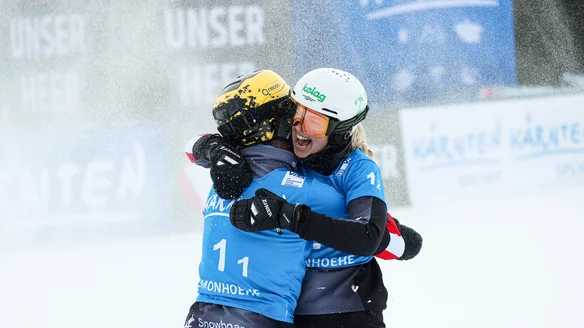
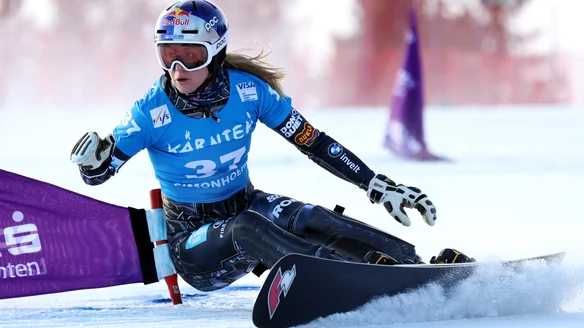
Austria 4 beats Italy 2 by 0.52 seconds in Parallel Giant Slalom team race Klagenfurt, March 1, 2026 — Austria 4 edged Italy 2 by half-a-second on Carinthia’s Simonhöhe piste Saturday, ending Andreas Prommegger’s 11-month victory drought and giving Sabine Payer a quick rebound one day after her individual quarter-final loss. Austrian veterans fend off Italian surge Prommegger, 45, and Italian counterpart Roland March matched each other toe-side for toe-side until the final meters, the Austrian entering the tag zone with a 0.08-second cushion. Payer exploded off the blue-course wedge while Lucia Dalmasso took the red, but the 26-year-old local clipped a gate pad and had to scrub speed. She regrouped with a low line through the rollers and hit the finish beam first, delivering the slimmest team margin on the circuit since December’s 0.41-second thriller in Montafon. Prommegger becomes oldest winner of 2025-26 season The win is Prommegger’s 32nd World Cup triumph and his first since last March’s PGS in Krynica, Poland. “I kept tweaking base bevels all week—today the board finally felt like an extension of my legs,” he said. By outrunning riders half his age, the Styrian becomes the oldest athlete—male or female—to top an Alpine Snowboard World Cup podium this winter, overtaking previous record-holder Benjamin Karl, who won at 42 in 2024. Payer turns home-snow noise into momentum Payer admitted Friday’s crowd noise rattled her timing, yet cowbells echoing down the lift line steadied her heartbeat before the final. “When 3,000 people chant your name, hesitation isn’t an option,” she said. The result marks her first World Cup podium since a December 2025 parallel slalom in Scuol and Austria’s first mixed-team gold on home snow since Bad Gastein 2020. Italy keeps yellow bib; USA earns historic bronze March and Dalmasso’s runner-up finish preserves the leaders’ yellow bib for Italy after two of three scheduled mixed-team races. The duo won the Bad Gastein opener and now lead Switzerland 1 by 68 points. Earlier, 19-year-old Walker Overstake and Iris Pflum stunned top-seeded Italy 1 in the quarter-finals, then edged Slovenia 1 for bronze—the first team podium in U.S. Alpine Snowboard World Cup history. Swiss disqualification shuffles medal picture Switzerland 1’s medal hopes vanished when Dario Caviezel straddled gate 17 against Slovenia’s Tim Mastnak, an automatic DQ that dropped Caviezel and Julie Zogg to 112 season points. The final mixed-team showdown is set for Winterberg, Germany, on 22 March, where Italy can seal the inaugural Crystal Globe with a top-two finish. [IMAGE_PLACEHOLDER_0] Action Steps Track the discipline standings on FIS-Ski.com to see if Italy can clinch the Crystal Globe in Winterberg. Watch replays on Infront’s YouTube channel to study how Prommegger gains speed off each toe-side turn. If you ride alpine, set a training course with a 22-gate PGS rhythm—Payer credits that drill for her quick recovery. Plan viewing parties for 31 January, when Rogla hosts the last World Cup before Milano-Cortina 2026 opens on 6 February. Source: FIS Alpine Snowboard World Cup media bulletin
 Snowboarding
Rogla Snowboard World Cup 2026 Preview: Fischnaller Streak, Italian Dominance, Miki-Caffont Showdown
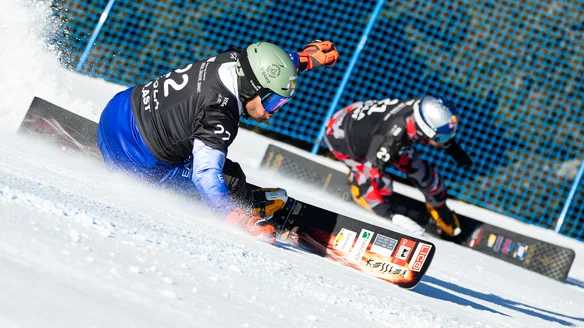
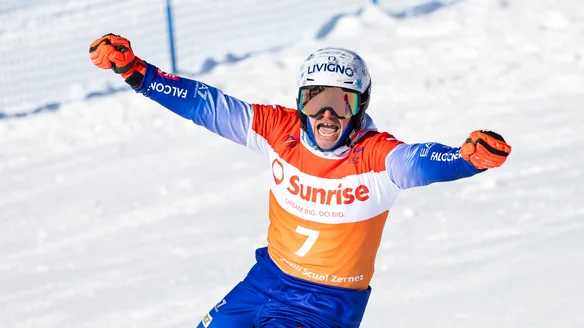
Rogla, Slovenia — The ninth stop of the 2025-26 Visa FIS Snowboard Alpine World Cup kicks off this Saturday and Sunday on the resort’s 460-metre vertical, a slope that has crowned Italian riders in eight of the last ten editions. Night-time lows below freezing have turned the dual-timber run into a hard-pack racetrack where timing outweighs outright speed. [IMAGE_PLACEHOLDER_0] Fischnaller Chases 25th Win and March’s Overall Lead Roland Fischnaller, 45, has reached every Rogla final since the venue debuted on the circuit in 2013. The Italian won the inaugural race and brings a three-event winning streak into the weekend, the latest secured last Sunday at Simonhöhe by 0.12 seconds over Gabriel Messner. A fourth victory on Slovenian snow would lift his career count to 25, trim the 24-point deficit to teammate Aaron March atop the standings, and underline a season-long theme: experience still beats youth on Rogla’s 18-gate parabolic line. Olympic qualification for Milano-Cortina 2026 already locked in, Fischnaller now targets a fourth crystal globe before retirement. Italian Men Stack Podiums Again Italy’s parallel squad has placed two or more riders on the same podium seven times in ten races this winter, a run not seen since Austria’s mid-2000s reign. March leads the chase with 635 points, trailed by Maurizio Bormolini (611) and Daniele Bagozza (428), while rookie Gabriel Messner sits sixth. The Azzurri even swept the Carezza podium in December—only the sixth clean sweep in discipline history—showing depth beyond the headline names. No non-European rider sits inside the men’s top ten; Canada’s Arnaud Gaudet is the highest outsider at 14th. Miki-Caffont Tie Settles on Saturday Tsubaki Miki’s once-sizeable women’s lead vanished after Elisa Caffont’s consecutive Austrian wins leveled the pair on 660 points. The Frenchwoman owns the tie-breaker with four victories to Miki’s three, making Rogla’s parallel-giant-slalom a de-facto championship heat. Defending overall champion Miki still tops the PGS sub-rankings, yet a repeat of Caffont’s 2024 Rogla triumph would flip the narrative. Meanwhile, 16-year-old Bulgarian Malena Zamfirova became the youngest top-ten athlete since live standings began in 2009, part of a wave of teenage technical specialists entering the circuit. Ledecka Wins on Arrival Ester Ledecka entered her first snowboard race of the winter last Sunday and collected her 26th World Cup win barely 24 hours after landing from Tarvisio, where she had taken third in alpine Super-G. The Czech dual-sport star now owns 20 parallel-giant-slalom victories, six in her last seven snowboard starts, proving scant gate training does not dull edge pressure or tactical line choice. Her presence in Rogla start lists scrambles seeding brackets; she is slated to meet Caffont in the quarter-final round if both qualify cleanly on Saturday morning. Repeat Winners Thrive at Rogla Course data from the Slovenian Ski Association show Rogla has produced back-to-back victors in four of the last five seasons. Bormolini and Miki both converted here last February en route to crystal globes, echoing the 2020 campaign when Andreas Prommegger and Ramona Theresia Hofmeister used the Slovenian stop as a springboard to overall titles. Since the hill’s 2005 debut, only once—2006—have neither Italians nor Austrians finished inside the men’s overall top three, a streak March, Bormolini and Prommegger are favored to preserve given current form and forecast conditions. Viewing Essentials for Race Day Women’s qualification begins at 08:30 CET Saturday, finals at 11:00; men’s knockouts start at 13:00. Live brackets update instantly on the FIS Snowboard app—early upsets redistribute points fast. Course-side split timings highlight Rogla’s flat mid-section, where glide speed often outweighs horsepower. Dawn weather reports matter: overnight refreeze hardens the surface and keeps winning margins under 0.25 seconds. [IMAGE_PLACEHOLDER_1][IMAGE_PLACEHOLDER_2] Sources: FIS Snowboard, Slovenian Ski Association Action Steps for Following Rogla Races Set an alarm for 08:15 CET Saturday to catch women’s qualification runs that set the knockout bracket. Download the free FIS Snowboard app and enable push alerts; brackets reshuffle within seconds of each heat. Compare live split times at gates 6 and 12—the sections where many Rogla leads are won or lost. Monitor overnight temperatures on the Slovenian meteorological site; any reading below –6°C signals the glazed surface Italians exploit best.
 Snowboarding
Krynica-Zdrój World Cup Preview: Parallel Giant Slalom Title Battles
Krynica-Zdrój, Poland, hosts the tenth stop of the 2025-26 Visa FIS Snowboard Alpine World Cup this weekend, staging the circuit’s only men’s-and-women’s Parallel Giant Slalom double-header on consecutive days. [IMAGE_PLACEHOLDER_0] 550 m Krynica Slope Favors Austro-Italian Specialists The 550 m course drops 135 m and has never produced a first-time winner. Austrian veteran Andreas Prommegger swept both previous men’s PGS races here, while Italy has placed at least one rider on every podium since the event debuted. Roland Fischnaller broke the pattern last February, edging Prommegger by 0.11 s on the second run to give Italy its first Krynica victory. On the women’s side, Ramona Theresia Hofmeister and Tsubaki Miki traded wins in 2024 and 2025; each triumph previewed the crystal globe she would clinch weeks later. Italian Men Lead Season, Skip Olympic Podium Italy’s male riders have won seven of eleven Parallel races this winter, spread across four different athletes, and filled the Carezzo podium 1-2-3 in January. Yet none reached the medal round at Milano-Cortina three weeks ago, extending a 24-year Italian Olympic medal drought in the discipline. Aaron March carries a 21-point lead over teammate Maurizio Bormolini into Krynica; a one-two season finish would be the first for Italians since the discipline rankings began. [IMAGE_PLACEHOLDER_1] Miki Targets Repeat Title, Zamfirova Sets Youth Mark Defending overall champion Tsubaki Miki enters the mountain spa town 20 points ahead of Italy’s Elisa Caffont, chasing the first back-to-back Parallel titles by a non-European woman. Sixteen-year-old Malena Zamfirova of Bulgaria sits tenth overall, the youngest rider ever to crack the top tier this late in a season. A podium on home snow would also make her the first Bulgarian woman to reach a World Cup finals heat in any snowboard discipline. Rogla Win Boosts Korean Veteran Lee Korea’s Lee Sang-ho ended a 15-month European winning streak at the final pre-Olympic World Cup in Rogla, edging Roland Fischnaller and Fabian Obmann in a three-man final. The win lifted the 2018 Olympic silver medallist to sixth overall and left him as the only non-European inside the men’s top 15. None of the Rogla podium translated that form into an Olympic medal, so Krynica offers immediate redemption. [IMAGE_PLACEHOLDER_2] Globe Scenarios Point to Alpine Powers No men’s Parallel season has ended without an Italian or Austrian in the top three since Switzerland’s lockout in 2005-06. With four-time champion Benjamin Karl stuck in 13th place, either Bormolini or March could secure Italy’s first men’s crystal globe since 2011-12. On the women’s side, a Miki slip would clear the path for Hofmeister to match Czech great Ester Ledecka’s four-title haul. Viewing Info and Local Tips Stream both PGS finals on the European Broadcasting Union platform; geoblocks vary by country. Fantasy players often bank on Prommegger at Krynica—his 2024-25 record delivers a high floor even at 39. Train passengers should exit at Krynica-Zdrój station; free shuttles leave every 15 min on race morning. Coaches scouting juniors can request Friday open-training accreditation through the PZN portal before 18:00 CET Thursday. Source: Visa FIS Snowboard Alpine World Cup media guide
 Snowboarding
Ledecka chases historic three-peat in 2026 Olympic Parallel Giant Slalom
Ester Ledecka guns for an Olympic first on 1 March 2026—three consecutive Parallel Giant Slalom golds—when women’s qualification starts at 09:00 CET on Livigno Snow Park’s steep dual track. [IMAGE_PLACEHOLDER_0] Ledecka Skips Alpine to Focus on Board The Czech star dropped the downhill in nearby Bormio, gambling her entire Milano-Cortina program on the event she has ruled since PyeongChang 2018. Victory would keep alive her long-shot bid to repeat the historic ski-snowboard double she pulled off eight winters ago, when she shocked Alpine specialists by winning Super-G hours before capturing PGS. Japanese Squad Leads Rival Pack Tsubaki Miki, 22, tops the 2025-26 PGS World Cup standings and owns the 2023 Bakuriani world title. Tomoka Takeuchi, 42, lines up for her fourth Games, while veteran Austrian Claudia Riegler, 52, becomes the oldest Olympic snowboarder ever, surpassing the mark she set at 44 in PyeongChang. Italian Men Target Home Sweep Host nation Italy carries four riders inside the World Cup top six. Roland Fischnaller, 45, leads the globe after December wins in Carezza and Mylin; Engadin champions Maurizio Bormolini and Aaron March sit third and fourth; Mirko Felicetti, fresh from a Mylin victory, rounds out the deepest roster on the circuit. Karl Eyes Final Podium Defending champion Benjamin Karl, 40, calls Milano his last Games. A medal of any color would lift the Austrian to four Olympic podium finishes, the most by a male boarder. He posted the fastest qualification run on this slope during January’s test event and trails only Fischnaller in season points. Big Air Night Session Opens Floodlights flip on at 19:30 for women’s Big Air qualifiers. Anna Gasser starts her chase for a third straight title, while New Zealand’s Zoi Sadowski-Synnott and Britain’s Mia Brookes promise early fireworks. Japan’s Kokomo Murase, Reira Iwabuchi and Mari Fukada—who swept the 2025 world podium—enter a 30-rider field fighting for 12 Monday-final spots. Useful ResourcesFIS Snowboard World Cup standingsMilano Cortina 2026 schedule appSnowboard Austria technical blog“Riding Sideways” podcast
 Snowboarding
Livigno to Host First Olympic Snowboard Parallel Giant Slalom on 8 February
Livigno Snow Park to Kick Off Milano-Cortina 2026 Snowboard Events Livigno’s Snow Park will open the Milano-Cortina 2026 Olympic snowboard programme on 8 February, pitting 32 men and 32 women in sudden-death parallel giant-slalom heats carved into a 22-degree pitch just below the Carosello 3000 lift. [IMAGE_PLACEHOLDER_0] One-Day Sprint From Time Trial to Gold Qualifying begins at 09:00 CET inside the Valtellina cluster, 1,815 m above sea level. Riders drop one at a time down a 380-metre west-facing slope, racing the clock rather than each other. The fastest 16 on each side of the draw advance to the 13:00 bracket, where two-wide knockouts replace stopwatches with split-second lane switches and photo finishes. Course builders shaved the snow to a firm corduroy, leaving only a hand-width of error before the panel-hard base punishes any over-pressured edge. Home Favourites Eye Italian Sweep Maurizio Bormolini will wear the World Cup leader’s white bib after three victories this winter, all on European snow. Roland Fischnaller, 45, arrives fresh from a last-gate defeat in Bad Gastein, while Aaron March tops the overall parallel standings with five podiums. Add December winner Mirko Felicetti and half the men’s knockout bracket could be draped in azure suits. Snowboard federation observers note Italy has never swept an Olympic Alpine snowboard podium; the narrow Livigno lanes give them their best mathematical chance yet. Veterans and Rising Threats From Austria, Germany Benjamin Karl begins his farewell season already owning every Olympic shade: Vancouver silver, Sochi bronze, Beijing gold. The 37-year-old Austrian will share start-gate space with teammate Fabian Obmann, who has strung three consecutive World Cup podiums. Germany’s Stefan Baumeister, fourth in the 2022 final, brings three Games of experience and a season-opening podium from Lake Louise. Their combined presence keeps Italian coaches from ordering victory champagne too early. Ledecka’s Dual-Sport Quest Resumes Czech star Ester Ledecka has spent most of this winter on skis, yet her lone snowboard appearance—a commanding win at Simonhöhe—extended an unbeaten Olympic streak dating to PyeongChang 2018. She plans to contest the Alpine Super-G later in the fortnight, chasing a third straight Games double across disciplines. Few athletes in Olympic history have medalled in two sports at one Winter Games; none have done it twice. Injuries Shuffle Women’s Contender List Austria’s Sabine Payer led the World Cup until a December ankle sprain sidelined her for six weeks; she resumed on-snow drills only last week. Germany’s Ramona Theresia Hofmeister missed the same period, then returned with back-to-back January wins in Austria and Slovenia. Their recovery curve will determine whether Italy’s Elisa Caffont or Lucia Dalmasso can convert five-race podium speed into home-soil medals. Forecast daytime highs of –6 °C should keep the surface grippy, favouring racers who can pressure the board early without chattering on the 22-degree pitch. Viewing Windows and Tactical Clues Eurovision Sport’s free stream fires up at 08:45 CET, with English commentary starting 15 minutes before the first qualifying run. The “Milano-Cortina 26” app pings phones the instant each knockout heat ends, letting fans track bracket resets in real time. Early timing sheets show the red course averaging 0.18 sec quicker; expect higher seeds to call red when the coin lands. On-site spectators should reach the Carosello 3000 grandstand by 07:30—entry is free but capacity fills shortly after dawn when lift queues back up toward the village shuttle loop. Actionable Steps for Race-Day Fans Download the Milano-Cortina 26 app before travelling; cell bandwidth on the mountain throttles after 08:00 when 5,000 spectators log on simultaneously. Pack a fold-up seat pad—metal bleachers sit at 1,800 m and February windchill drops effective temperature below –10 °C once the sun slips behind Monte Scaletta. Study the live start list during qualifying: riders who post top-three times yet choose blue lane in the round-of-16 often signal coach confidence in their ability to ride defensively and still advance. Sources: FIS Snowboard World Cup, Milano-Cortina 2026 Organising Committee, Eurovision Sport
 Snowboarding
Benjamin Karl Wins Historic Third Olympic Snowboarding Medal at Milano-Cortina 2026
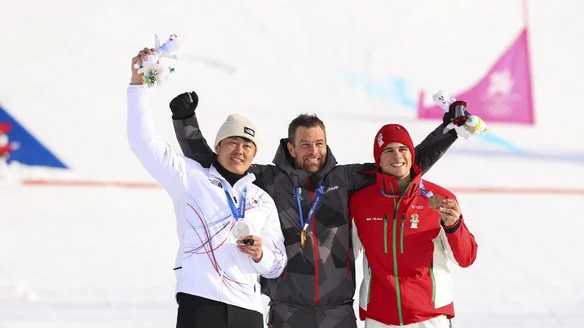
Benjamin Karl, 38, etched a new line in the Olympic record book Saturday on the Mottolino slope, becoming the first male snowboarder to own three medals by defending his parallel giant-slalom title at Milano-Cortina 2026. Karl Edges Korean Rookie by 0.19 Seconds in Big Final Seeded only third after morning qualification, the Austrian veteran threaded a flawless lower lane to beat Korea’s Kim Sang-kyum and upgrade the Vancouver 2010 silver and Sochi 2014 bronze now stored in his Innsbruck basement. The winning margin—little more than a snowboard length—capped a knockout slate in which Karl survived an even tighter scare, slipping past Italy’s Maurizio Bormolini by three hundredths in the round-of-16 after both riders clipped the same gate. He then dispatched teammate Andreas Prommegger by 0.12 in the quarters and Beijing 2022 runner-up Tim Mastnak by 0.24 in the semis, using a lower-line strategy that kept average edge angles a full two degrees tighter than his rivals, according to Austrian team data. Photo Finish Hands Bulgaria First Snowboard Medal Ever While Karl celebrated, the bronze match produced the day’s tightest drama. Bulgaria’s Tervel Zamfirov and Mastnak crossed the line with identical times to the hundredth; high-speed finish-line frames revealed Zamfirov’s left boot a few pixels ahead, enough to award the 29-year-old Sofia native his country’s first Olympic snowboard hardware of any color. The decision denied Slovenia a second consecutive men’s PGS silver and triggered a roar from a small Bulgarian fan section wedged beside the finish corral, waving a flag that rarely appears on Alpine snow. Ledecka Crashes Gate, Opens Door for Czech First-Timer Ester Ledecka’s bid for an unprecedented third straight Olympic title ended abruptly in the quarter-finals when the Czech star clipped the third gate and trailed Austria’s Sabine Payer by 0.06, a deficit no rider has overturned on the Mottolino gradient since the course was re-graded in 2023. The upset cleared the path for 24-year-old Zuzana Maderova, a teammate who had never stood atop a World Cup podium and entered the Games seeded second largely on consistency rather than victories. Maderova dispatched Germany’s Cheyenne Loch by 0.36, advanced when Ramona Hofmeister washed out, and beat Italy’s Elisa Caffont by 0.45 in the semi, keeping her board flat through the flattrack where others scrubbed speed. Maderova Wins by 0.83 Seconds, Largest Women’s Margin Since 2014 In the women’s Big Final, Maderova rocketed from the red-course start and, despite a mid-section wobble that sprayed snow into the safety netting, finished 0.83 seconds ahead of Payer—an eternity in parallel racing and the widest women’s victory margin since Austria’s Julia Dujmovits at Sochi. Italy’s Lucia Dalmasso snatched bronze by 0.11 over Caffont, igniting cowbells from the home crowd that could be heard inside the Livigno gondola station 500 m away. Maderova’s previous best on the World Cup circuit had been two third-place finishes this winter; she will now fly home with a gold that catapults her into national-sports-hero territory. Classic Rock Routine Keeps Karl Calm at Minus 14 Celsius “I already owned every color, so pressure stayed outside my bubble,” Karl told reporters while wrapping himself in an Austrian flag once worn by downhill legend Hermann Maier. Coaches revealed that the 38-year-old spent race morning blasting classic rock through oversized headphones instead of poring over split times, a ritual he credits for steady nerves while the thermometer read –14 °C and the hard-pack surface punished the smallest skid. Asked whether he will chase a fourth medal at the 2030 Games, Karl laughed, peeled off his race suit to salute the grandstand, and replied, “Right now I just want to feel my toes again.” Recommended Resources FIS Snowboard Hub – Live timing sheets, athlete bios and World Cup standings for parallel events Snowboard Austria – Technique videos and training-camp calendar used by Karl and teammates “Race Like a Pro” course analysis – Free breakdown of Livigno’s Mottolino slope angles and gate spacing Olympic Channel Replay Library – Full Milano-Cortina 2026 parallel finals available on demand World Snowboard Tour – Global competition pathway explaining how riders qualify for future Olympics Source: Original race reporting, Milano-Cortina 2026 press room